Molluscum contagiosum — also known as anomolluscum contagiosum or condylomata acuminata — are caused by human papillomavirus (HPV), most commonly types 6 and 11. They are among the most common sexually transmitted infections in Australia, affecting both men and women. Warts typically appear as small, flesh-coloured or grey-white bumps on the penis, vulva, vagina, cervix, scrotum, or around the anus. They can be flat, raised, or cauliflower-shaped, and may appear as a single growth or in clusters.
HPV is transmitted through direct skin-to-skin contact during vaginal, anal, or oral sex. Condoms reduce but do not eliminate the risk of transmission, as HPV can infect areas not covered by a condom. Many people carry HPV without knowing it — the virus can remain dormant for months or even years before warts appear. Not everyone who contracts HPV will develop visible warts; the immune system clears the virus in most cases without symptoms.
According to the Australian STI Management Guidelines, treatment of molluscum contagiosum is primarily for cosmetic and symptomatic benefit. The wart-causing strains of HPV (types 6 and 11) are classified as low-risk and are not associated with cancer. However, warts can cause discomfort, itching, and significant psychological distress. Treatment also reduces the viral load on the skin surface, which may lower the risk of transmission to sexual partners.
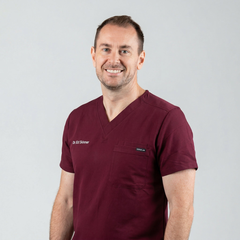
At Clinic365, Dr Ed Skinner performs cryotherapy (liquid nitrogen freezing) as the primary treatment for genital and anomolluscum contagiosum. Cryotherapy is the gold standard in-clinic treatment — fast, effective, and well-tolerated. During the procedure, liquid nitrogen is applied directly to each wart using a spray device or cotton-tip applicator, causing controlled tissue destruction. The procedure takes only a few minutes. Most patients experience temporary stinging during application and mild blistering or redness afterwards, which typically resolves within one to two weeks.
Most warts require two to four cryotherapy sessions spaced one to two weeks apart for complete clearance, though some respond to a single treatment. Your GP will assess your warts at the first appointment, perform the initial cryotherapy session, discuss a treatment plan, and set expectations around the number of sessions likely needed. The $249 fee covers the initial consultation and first cryotherapy session. Follow-up sessions are charged separately.
Recurrence of molluscum contagiosum occurs in approximately 20 to 30 per cent of cases within three to six months of treatment, regardless of the method used. This is because treatment removes visible warts but does not eliminate the underlying HPV from surrounding skin cells. The good news is that most people's immune systems will clear the HPV infection naturally within one to two years, after which recurrence becomes unlikely. Maintaining a healthy immune system through good nutrition, adequate sleep, stress management, and avoiding smoking can support the body's ability to clear the virus.
The HPV vaccination is strongly recommended for anyone diagnosed with molluscum contagiosum. While vaccination cannot treat existing warts or eliminate an existing HPV infection, it protects against the other high-risk and low-risk HPV types you may not yet have been exposed to — including the cancer-causing strains (types 16 and 18). Vaccination is available at our East Melbourne clinic and is free for eligible individuals aged 12 to 25 through the National Immunisation Program. For others, the vaccination cost is $149 per consultation plus the cost of vaccination.
If you notice new growths in your genital or anal area, it is important to see a doctor promptly for diagnosis. Not all genital lumps are warts — other conditions such as molluscum contagiosum, skin tags, sebaceous cysts, and (rarely) pre-cancerous lesions can mimic the appearance of warts. Your Specialist GP will perform a thorough clinical examination and, if needed, arrange a biopsy to confirm the diagnosis before commencing treatment.













 1300 222 365
 Where Are My Results?
 Contact Us
 Our Story
 Book Online
 Find Pathology Centre
 Sperm Collection Centres
 STI Comparison Guide
 STI Swab Collection Guide
 CST Self-Collection Guide