Molluscum treatment by a Specialist GP, starting with a free telehealth consult. The GP discusses your symptoms and treatment options by phone, then books your in-clinic cryotherapy (or curettage where appropriate) at our East Melbourne rooms — 7 days a week by appointment.
All ages welcome — adults and children. Suite 6c, Level 5, 182–184 Victoria Parade.
Book a free telehealth consult — free with Medicare
A Specialist GP discusses your symptoms and treatment plan over the phone
Your in-clinic treatment is booked during the consult — 7 days a week by appointment
Molluscum — full name molluscum contagiosum — is a common skin infection caused by a virus. It produces small, firm, raised bumps on the skin, and while it’s harmless and eventually clears by itself, it’s contagious and can spread across your own skin and to other people. It’s very common in children through everyday skin contact, and in adults it often appears in the genital area, where it’s usually passed on through sexual contact.
The reassuring news is that molluscum is not dangerous and doesn’t cause long-term harm. Many cases need no treatment at all. But because it can spread and can be a cosmetic or personal concern — particularly in the genital area — treatment is available and often worthwhile.
👁️ What It Looks Like
What Molluscum Looks Like, and Its Symptoms
This is the question most people ask, because molluscum has a fairly distinctive appearance once you know what to look for. Molluscum looks like:
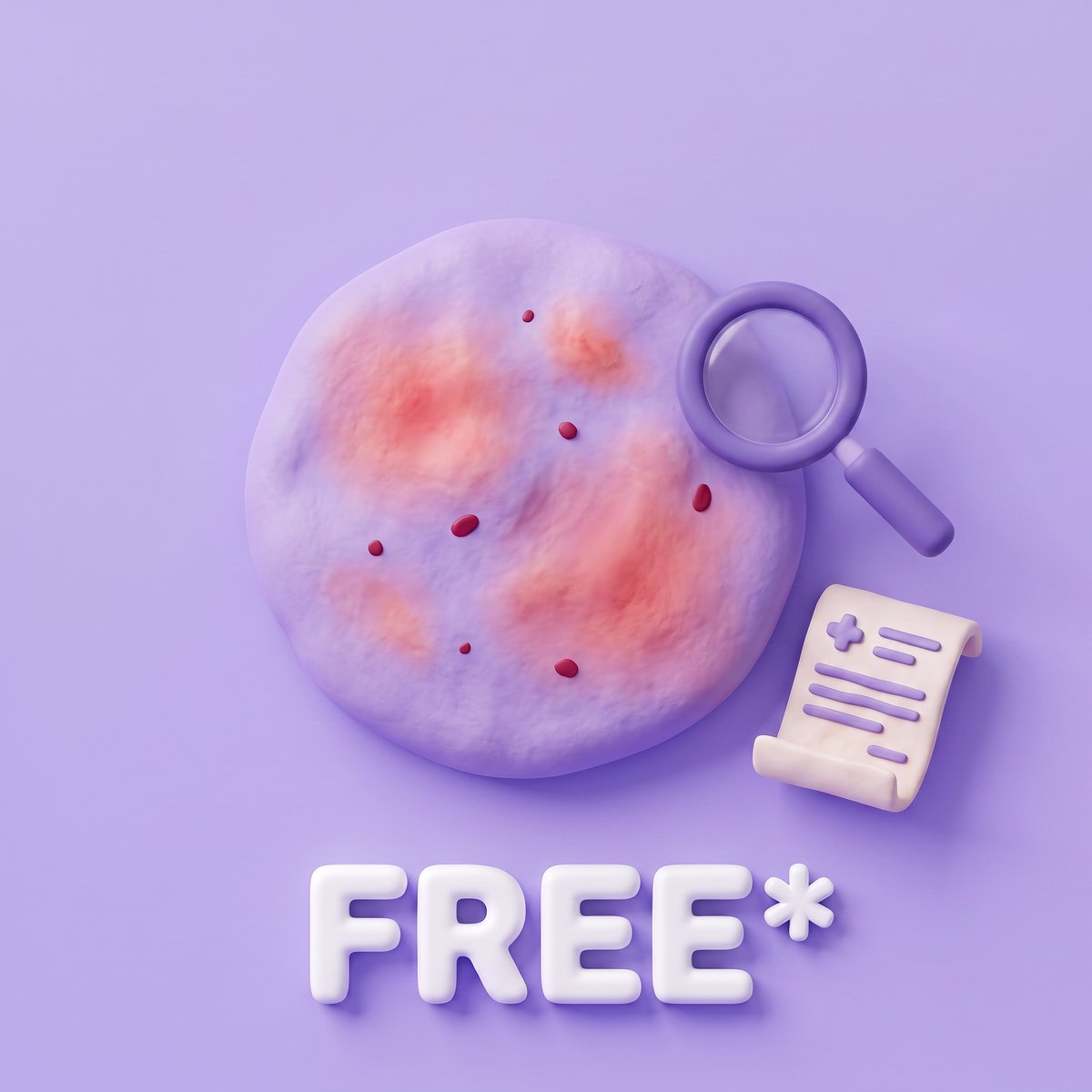
Small, dome-shaped bumps — usually 1 to 5 mm across, raised and rounded.
Firm and smooth, with a pearly, flesh-coloured, pink or white appearance.
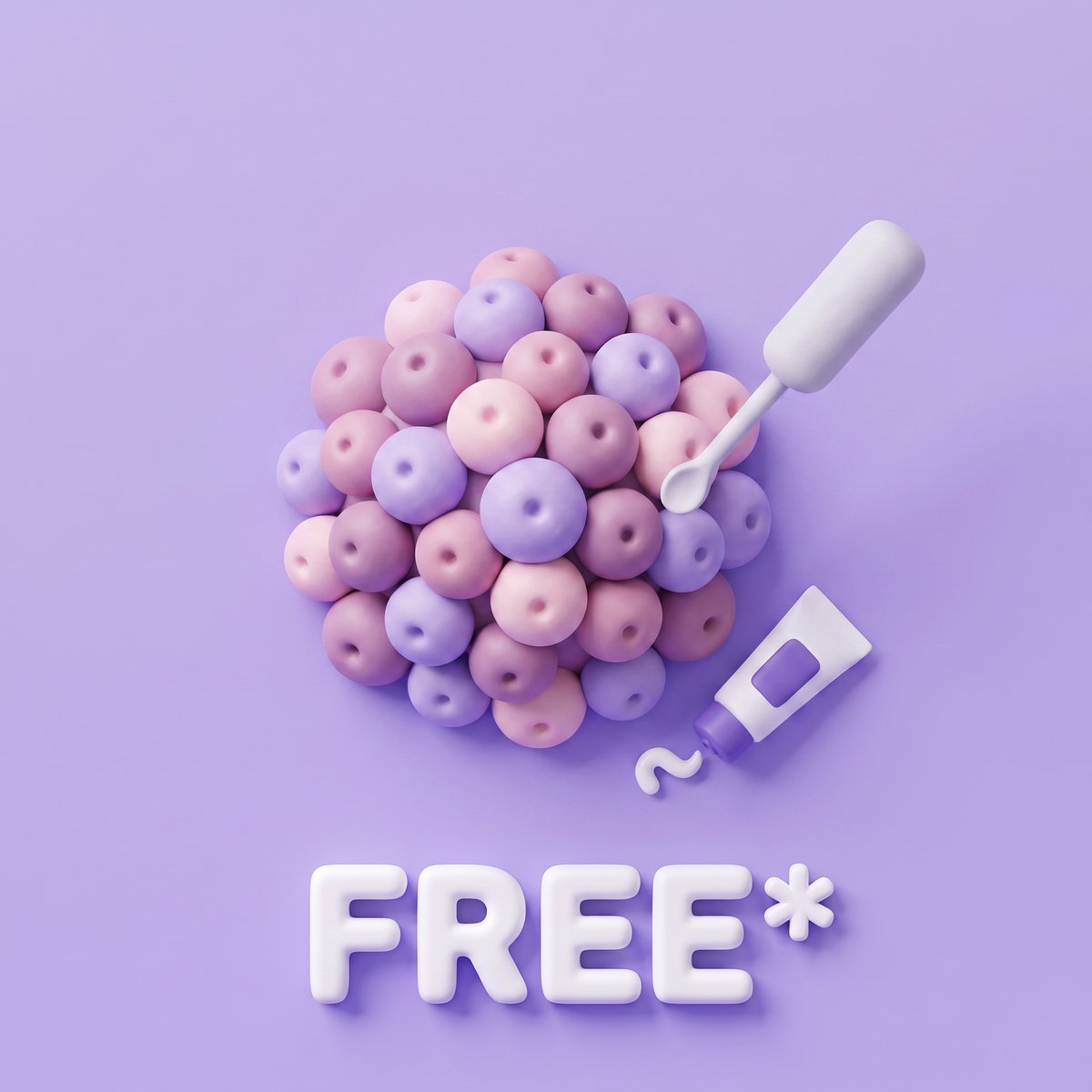
A tiny central dimple — a small pit or indentation in the middle of each bump. This central dimple is the classic, tell-tale feature of molluscum.
Painless, though they can sometimes be itchy, and the surrounding skin may become red or eczema-like.
Single or in clusters — you might have just one or two, or many grouped together.
In adults, genital molluscum typically appears on the pubic area, genitals, lower abdomen or inner thighs. That central dimpled appearance is usually what distinguishes molluscum from other bumps — but because genital warts, harmless pearly penile papules and other lumps can look similar, it’s worth having any new genital bumps checked rather than self-diagnosing.
Molluscum symptoms
The main molluscum symptom is the bumps themselves. Beyond their appearance, symptoms are usually minimal: the bumps are generally painless, some people have mild itching around the spots, the skin around a bump can become red, dry or eczema-like, and if a bump is scratched or knocked it may become sore, inflamed or crusted, and occasionally infected. Most people feel completely well otherwise — molluscum doesn’t cause fever or feeling unwell. The spots can persist for months, and new ones often appear as older ones fade, which can make it seem to last longer than expected.
🔄 How It Spreads
How Molluscum Spreads, and Genital Molluscum
Molluscum spreads easily through direct contact:
Skin-to-skin contact, including sexual contact for genital molluscum.
Scratching or shaving over the bumps, which spreads them to nearby skin (called autoinoculation) — shaving through affected skin is a common way it spreads across the genital area.
Shared items such as towels, clothing or sponges.
Because scratching and shaving spread it, a big part of managing molluscum is simply avoiding disturbing the bumps.
In adults, molluscum in the genital area is usually spread through sexual contact. It isn’t harmful in itself, but its presence is a reasonable prompt to consider a full sexual health check. If you have genital molluscum, it’s worth having an STI screen at the same time — not because molluscum is dangerous, but because it’s a marker of sexual contact and it’s sensible to check for other, often silent, infections while you’re being seen. A Specialist GP can arrange both together.
Is molluscum serious?
For almost everyone, molluscum is not serious. It’s harmless, painless, and clears on its own without scarring — provided the bumps aren’t picked or scratched. It typically resolves within several months to a year or so, though it can occasionally take longer, especially if new spots keep appearing.
One situation warrants closer attention: molluscum that is very widespread, unusually large, or persistent can sometimes be a sign of a weakened immune system. In an adult, extensive or atypical molluscum is a reason for a clinician to consider checking for underlying causes, including HIV. This is uncommon, but it’s why extensive molluscum shouldn’t simply be ignored.
💊 Treatment
Molluscum Treatment Options
How molluscum is diagnosed
Molluscum is usually diagnosed simply by its appearance — the characteristic small, dome-shaped bumps with a central dimple are often enough for a clinician to recognise it on sight. Occasionally, if the diagnosis isn’t clear or a bump looks unusual, a small sample may be taken to confirm. For genital molluscum, the assessment is also a good opportunity to check for anything that might look similar, such as genital warts, and to discuss STI screening.
Treatment options
Because molluscum clears on its own, one option is simply to leave it alone — watchful waiting is entirely reasonable, especially for a few spots that aren’t bothering you. However, treatment can speed resolution, reduce spread, and address cosmetic or genital concerns. The main options are:
Watchful waiting — allowing it to resolve naturally, while taking care not to spread it.
Cryotherapy (freezing) — freezing individual bumps, a quick in-clinic treatment.
Physical removal — gently removing the core of each bump (curettage or de-roofing) in the clinic.
Topical treatments — solutions or creams applied to the bumps over time to clear them, useful when there are many.
The best choice depends on how many bumps you have, where they are, and your preferences. Genital molluscum is often treated to reduce spread to partners, whereas a few spots elsewhere may simply be left to clear. A Specialist GP will recommend the approach that suits you.
Avoid squeezing or picking at molluscum bumps yourself. It spreads the virus to nearby skin, can cause infection, and may lead to scarring. If you want them removed, have it done properly rather than at home.
Preventing molluscum from spreading
A few simple measures reduce the chance of spreading molluscum to other parts of your body or to other people: don’t scratch, squeeze or pick at the bumps; avoid shaving over affected skin, which spreads it; keep the bumps covered where practical, especially during skin contact; don’t share towels, razors or clothing that touch the affected area; avoid sexual contact involving the affected area until it has cleared or been treated; and wash your hands after touching the bumps.
🩺 Specialist GP
When to See a Doctor, and Treatment in Melbourne
See a clinician if you:
Have molluscum in the genital area (and would like it treated, and an STI check)
Aren’t sure whether the bumps are molluscum or something else, such as genital warts
Have widespread, large or persistent bumps
Have a weakened immune system
Find the bumps are becoming inflamed, infected or bothersome
Simply want them treated for comfort, cosmetic or spread reasons
Molluscum in children
Molluscum is one of the most common skin infections in children, usually picked up through ordinary play, shared baths and swimming — and in kids it typically appears on the body, arms, legs or face rather than the genitals. In children it’s harmless and almost always clears on its own within several months to a year or so, so watchful waiting is usually the kindest approach: there’s no need to put a child through treatment for spots that will settle by themselves. Treatment is worth considering when the spots are very widespread, becoming inflamed or infected, or genuinely bothering your child — and a clinician will choose a gentle approach suited to a child. We’re happy to see children as well as adults, and can advise whether treatment or simple reassurance is best.
Molluscum treatment in Melbourne
If you’d like molluscum assessed or treated, molluscum treatment Melbourne is straightforward and confidential. A Specialist GP can confirm the diagnosis, discuss whether treatment is worthwhile for your situation, treat the bumps if you’d like, and — for genital molluscum — arrange an STI screen at the same time. Whether you want treatment or simply reassurance and advice, care is discreet and judgement-free.
Ready when you are. A Specialist GP can arrange everything by phone, with your referral sent straight to your phone by SMS.
Molluscum contagiosum is a common, harmless skin infection caused by a virus, producing small firm bumps on the skin. It clears on its own over time but is contagious and can spread across your own skin and to others. It’s very common in children, and in adults often appears in the genital area, usually spread through sexual contact.
Molluscum looks like small, firm, dome-shaped bumps, usually 1 to 5 mm across, with a pearly flesh-coloured, pink or white appearance. The classic feature is a tiny central dimple or pit in the middle of each bump. They’re usually painless, sometimes itchy, and can appear singly or in clusters. In adults they often appear around the genitals, pubic area and inner thighs.
The main symptom is the bumps themselves — small, dome-shaped, dimpled spots. Otherwise symptoms are minimal: they’re generally painless, sometimes mildly itchy, and the surrounding skin can become red or eczema-like. Scratched or knocked bumps may become sore or infected. Molluscum doesn’t cause fever or feeling unwell, and new spots often appear as older ones fade.
Molluscum spreads through direct skin-to-skin contact, including sexual contact for genital molluscum. It also spreads across your own skin through scratching or shaving over the bumps (autoinoculation), and via shared items like towels, razors or clothing. Because scratching and shaving spread it, avoiding disturbing the bumps is an important part of managing it.
In adults, genital molluscum is usually spread through sexual contact, so in that setting it behaves like an STI, though it’s harmless in itself. It’s not dangerous, but having genital molluscum is a sensible prompt to consider a full sexual health check, since it’s a marker of sexual contact and other infections are often silent.
Yes. Molluscum clears on its own over time, usually within several months to a year, occasionally longer — without scarring, provided the bumps aren’t picked or scratched. Because it self-resolves, watchful waiting is a reasonable option. Treatment can speed things up and reduce spread, which is often worthwhile for genital molluscum or cosmetic concerns.
Options include watchful waiting (letting it clear naturally), cryotherapy (freezing individual bumps), physical removal of the bumps in the clinic, and topical treatments applied over time. The best choice depends on how many bumps you have, where they are, and your preferences. Genital molluscum is often treated to reduce spread. Avoid picking or squeezing them yourself.
Yes. Molluscum treatment in Melbourne is straightforward and confidential. A Specialist GP can confirm the diagnosis, discuss whether treatment is worthwhile, treat the bumps if you’d like, and — for genital molluscum — arrange an STI screen at the same time. Whether you want treatment or just reassurance and advice, care is discreet and judgement-free.
Don’t scratch, squeeze or pick the bumps; avoid shaving over affected skin; keep the bumps covered where practical, especially during skin contact; don’t share towels, razors or clothing; avoid sexual contact involving the affected area until it’s cleared or treated; and wash your hands after touching the bumps. These simple steps reduce spread to yourself and others.
For almost everyone, no — it’s harmless, painless and clears without scarring if not picked. One exception: very widespread, unusually large or persistent molluscum can sometimes indicate a weakened immune system, and in an adult may prompt a clinician to check for underlying causes, including HIV. This is uncommon, but it’s why extensive molluscum shouldn’t be ignored.
Molluscum typically lasts several months to around a year, and occasionally longer. New spots often appear as older ones resolve, which can make it seem to last longer. It eventually clears on its own without scarring if the bumps aren’t disturbed. Treatment can shorten this and reduce spread if you’d prefer not to wait it out.
It’s a good idea. Genital molluscum in adults is usually spread through sexual contact, so it’s a reasonable prompt to check for other STIs, many of which cause no symptoms. Molluscum itself isn’t dangerous, but a full sexual health screen while you’re being seen is sensible. A clinician can arrange treatment and testing together.
See a clinician if you have molluscum in the genital area and want it treated or an STI check, if you’re unsure whether the bumps are molluscum or something like genital warts, if they’re widespread, large or persistent, if you have a weakened immune system, if they become inflamed or infected, or if you simply want them treated for comfort or cosmetic reasons.
Yes. Molluscum is one of the most common skin infections in children, and we see children as well as adults. In kids it’s harmless and almost always clears on its own within several months to a year, so watchful waiting is usually best. Treatment is considered when spots are widespread, inflamed or bothering your child, using a gentle approach. A Specialist GP can advise what’s right for your child.














 STI Prevention
 Learn Hub